The Power of Words by Paloma Douglas

My journey as a writer has taught me this—say something and say it well. In a time when excess extends to our speech, I constantly cut and edit. In high school, I received praise for my elaborate and erudite essays that used dumb words like erudite. I thought I was a good writer, but I realize now I was just sneaky and clever at working the educational system. “Don’t say just anything. Say something. Something has substance.”

Put the world on mute. Voices are eerily absent, only diegetic sounds remain—Starbucks espresso machine hissing, shoes clacking. The menu over the bar displays only photos and your computer screen blinks blank. Now un-mute. Language buzzes from above, below, and all sides. The girl in line tells her friend she’s angry they added whip when she said no whip. The man on his cell phone talks to an invisible person about “margins” and “ceilings” and other impersonal-sounding things. The list of ingredients on the biscotti wrapper informs you of exact caloric value, city of origin, and a frightening amount of  “-ogynated” ingredients. The open laptop spews news about “Kardashian Tweets You Missed This Week” next to a story about people burned alive in the Middle East. The levels of importance we assign these different stories begin to jumble.  

We reconstructed centuries of ancient societies from analyzing writing on square inches of clay chipped off pots. Two percent evidence, ninety-eight percent conjecture. “Obviously, by the way they used this tiny accent mark, we can tell this civilization really liked pizza.”

Two thousand years from today, people will know for a fact that we really really liked pizza, and not because of a scrap of pottery clay. They will uncover hard drives that show an Internet history of Domino’s online ordering. They will review our cell-phone records, watch our TV shows, read our diaries that speak of pizza-love. We now hold the award for the best-documented society, ever. Technology does this. It’s good and it’s bad. We have more posts than we ever wanted to read, more packaging. More accessibility and inevitably lesser quality. Words everywhere. Meaningless words, thoughtless words, just words. Think back to the coffee shop. Words, words, words.

Tiny symbols in the shapes of a, b, c alone mean absolutely nothing. But when strung together in meaningful ways, they can wage wars, inspire revolutions. We’ve seen it done in the past.

“Mr. Gorbachev, tear down this wall!”

“I have a dream.”

“Let there be light.”

I hope that when drones excavate my apartment in two thousand years, they’ll find more than pizza coupons. I hope they find words that moved people to love, compassion, and justice. I hope they find more thank-you letters than Instagram posts, more prayers for people than stupid texts. I hope I’ve said something, even in the smallest of ways.

By Paloma Douglas
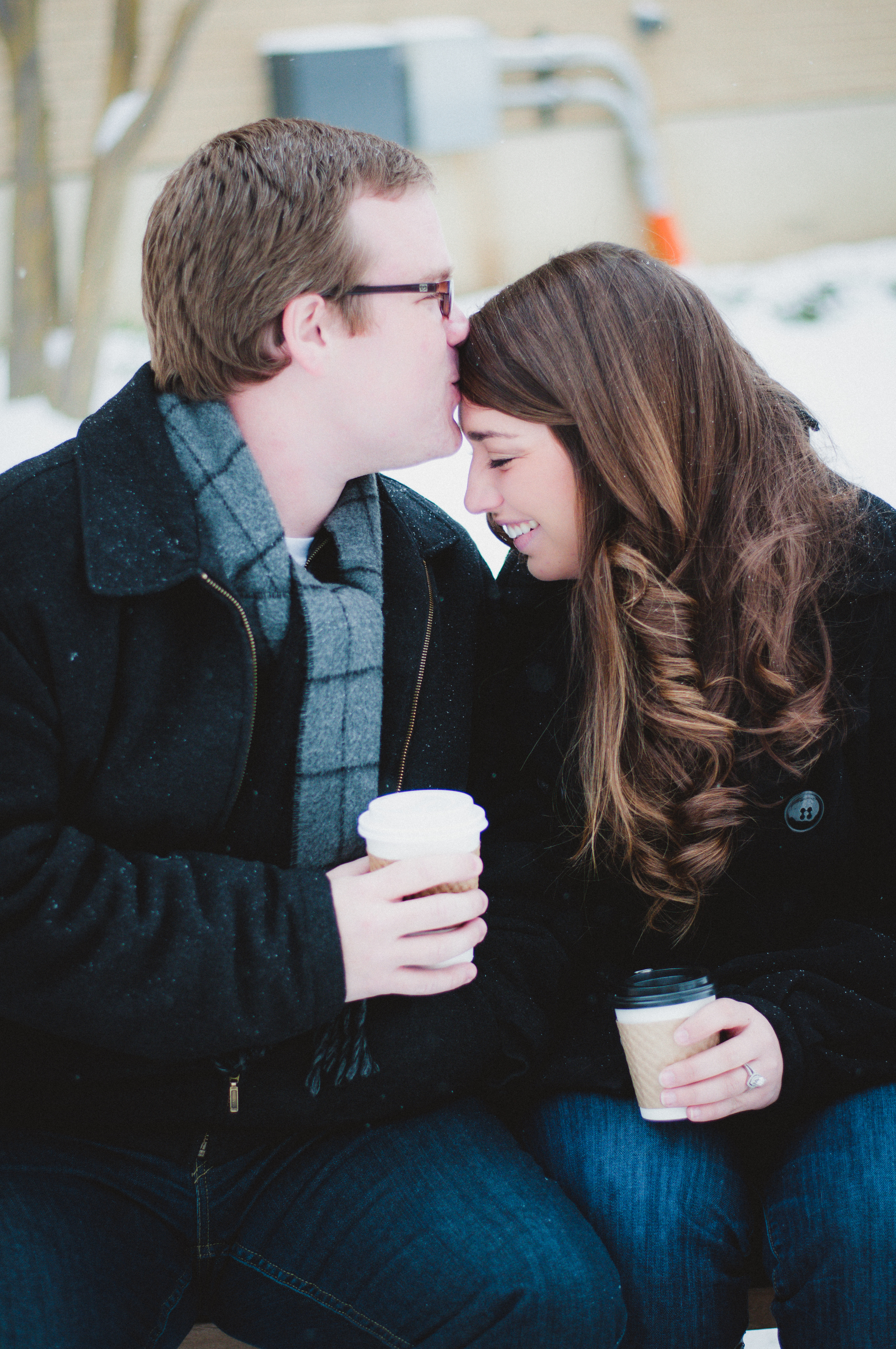
 

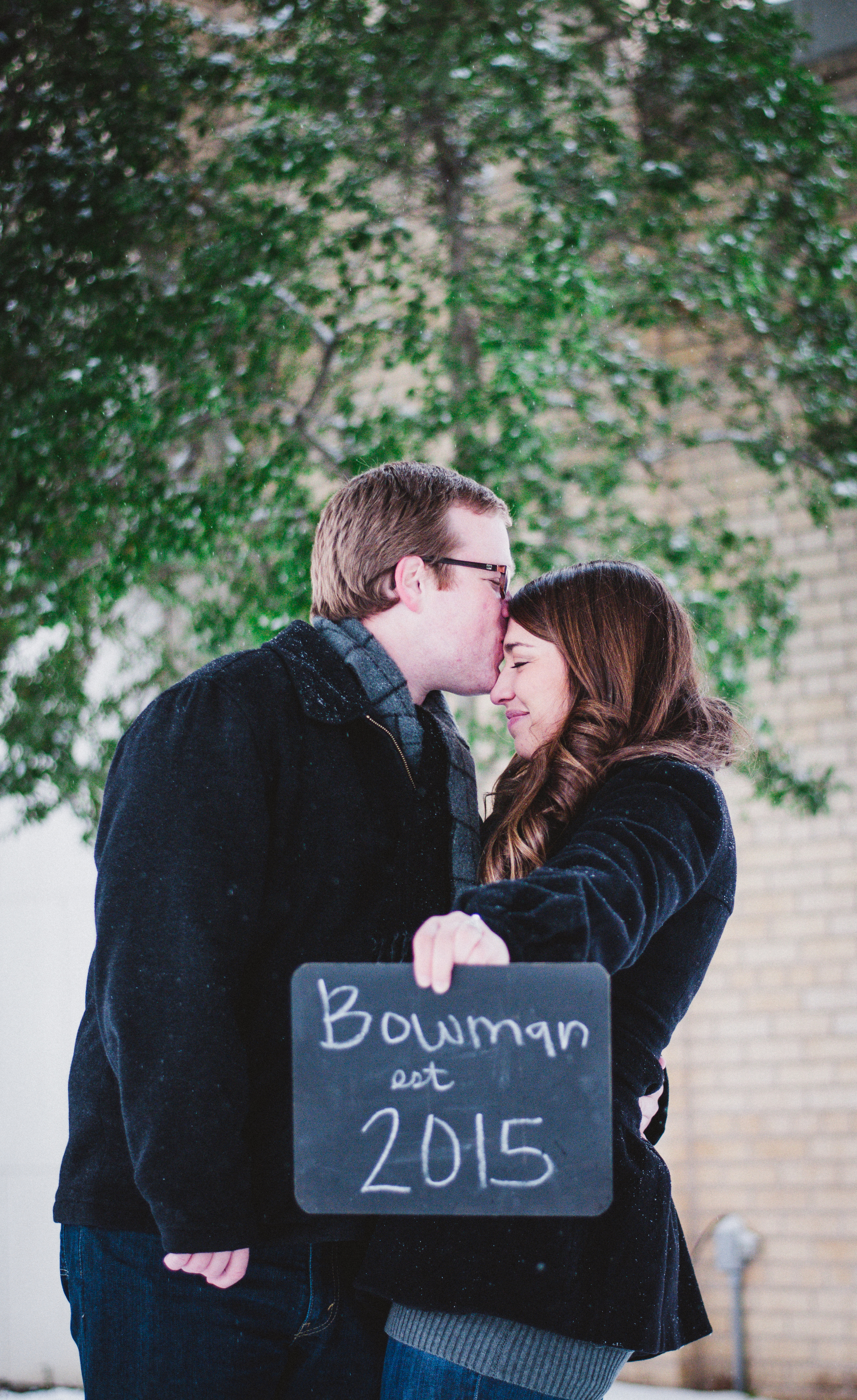
The Future Mr. & Mrs. Bowman

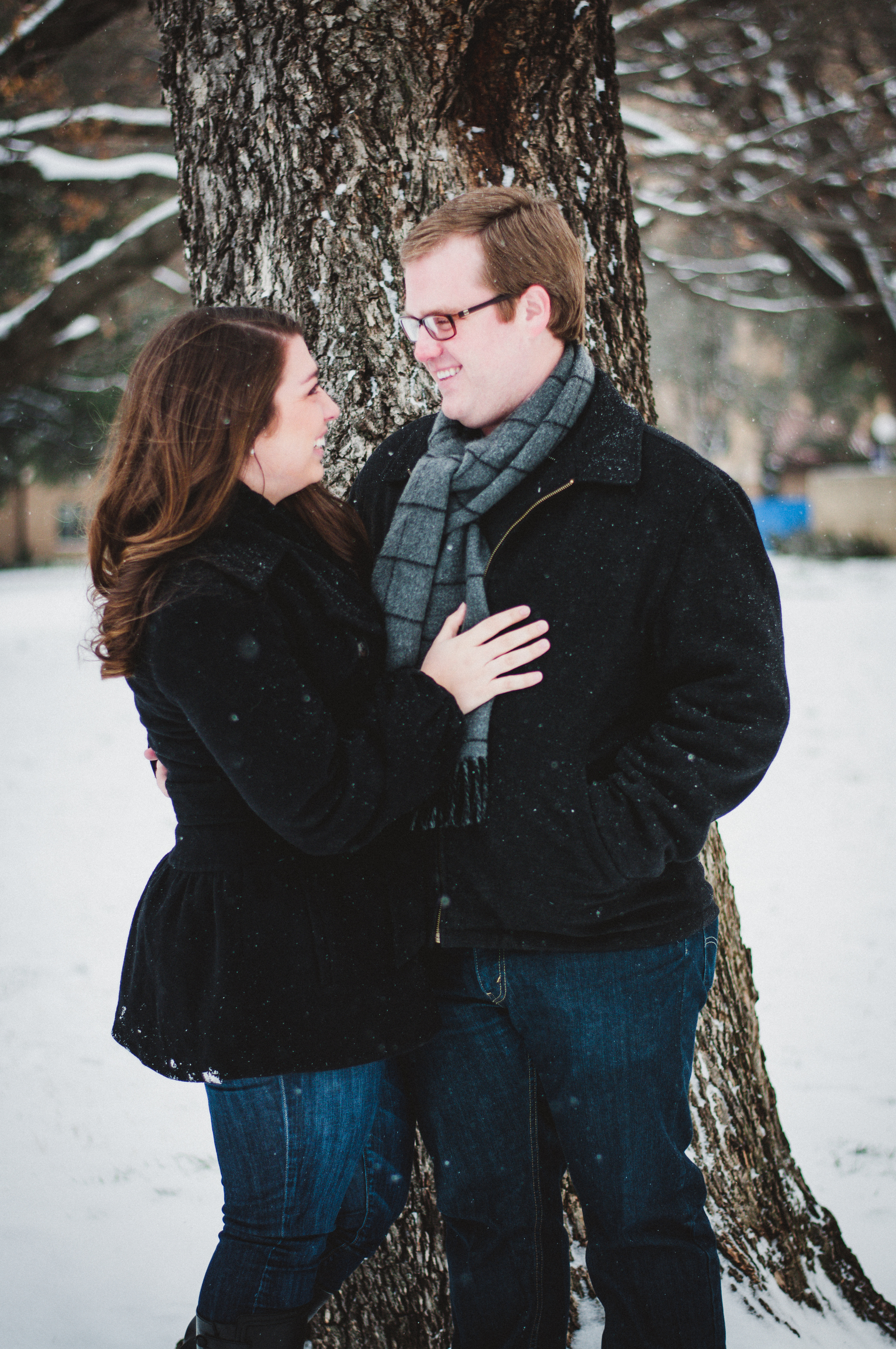
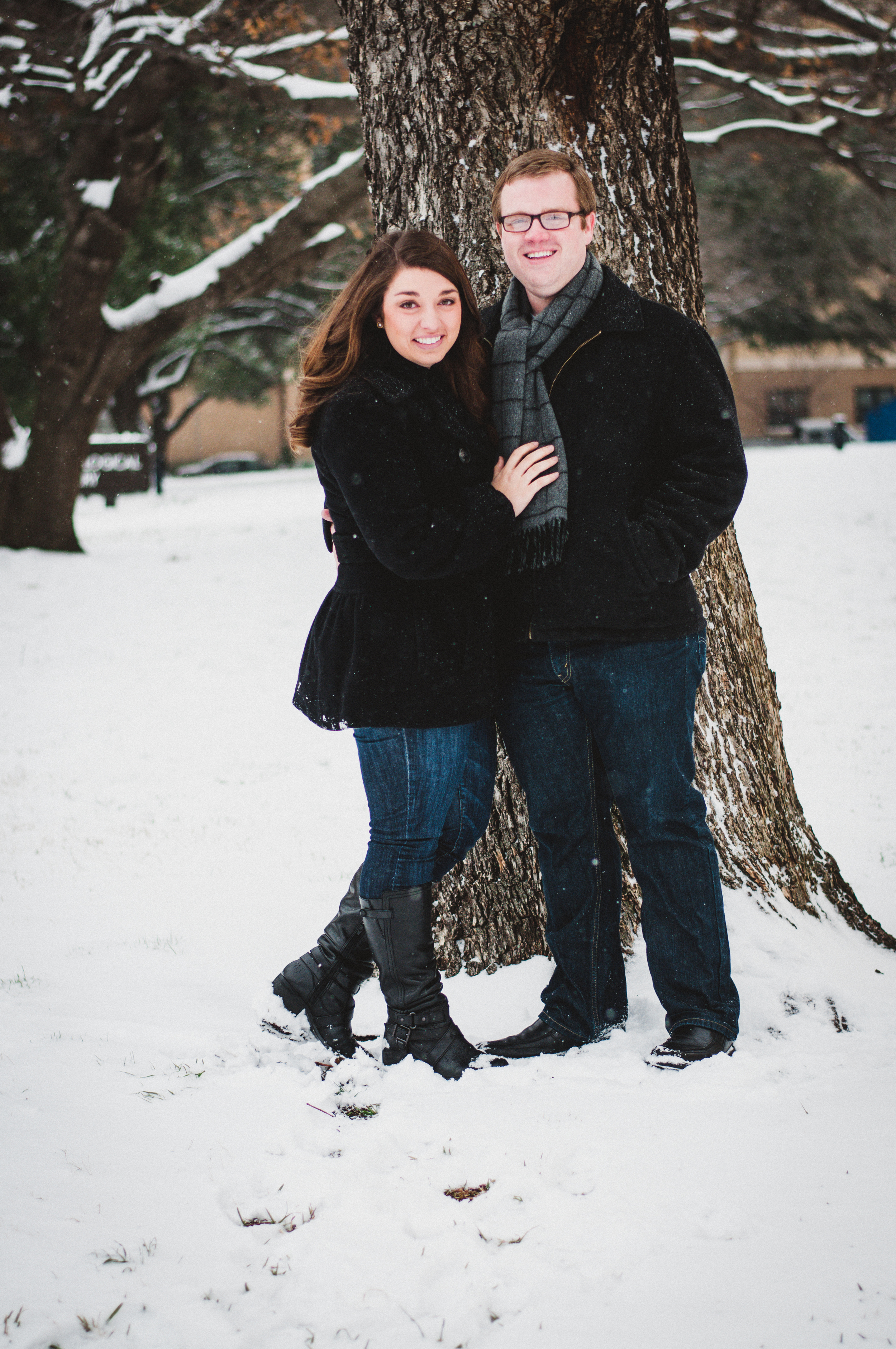
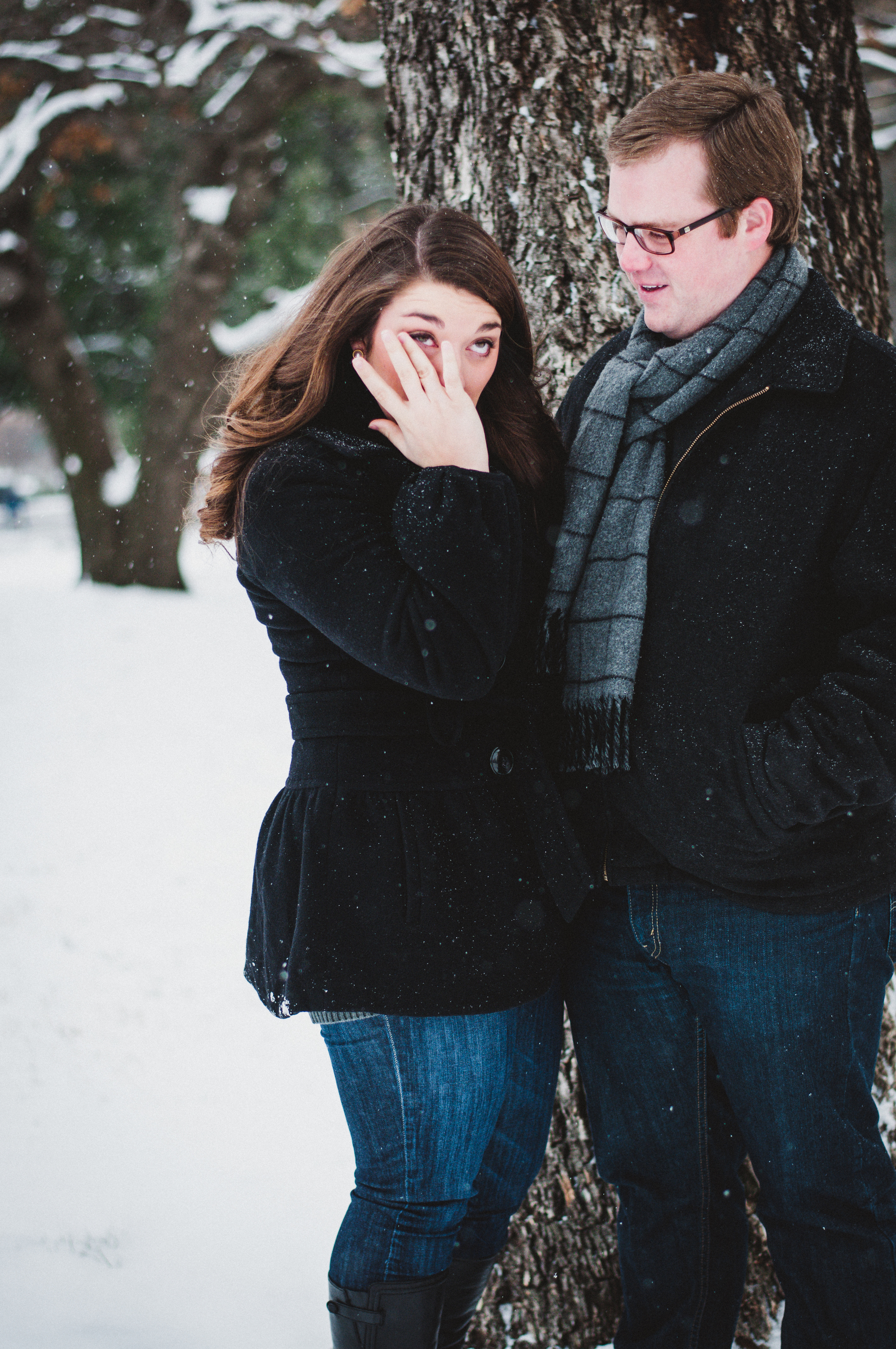
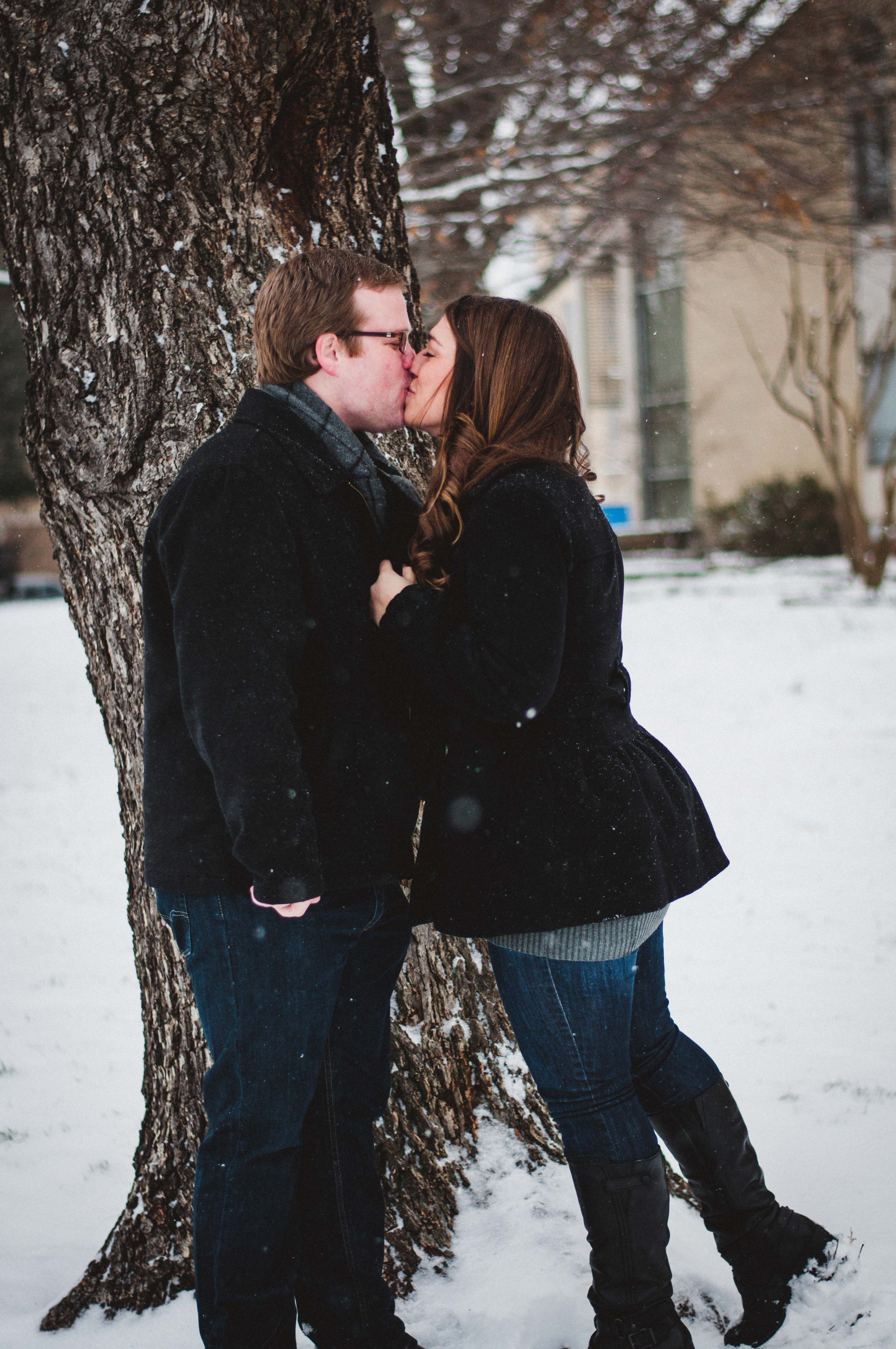
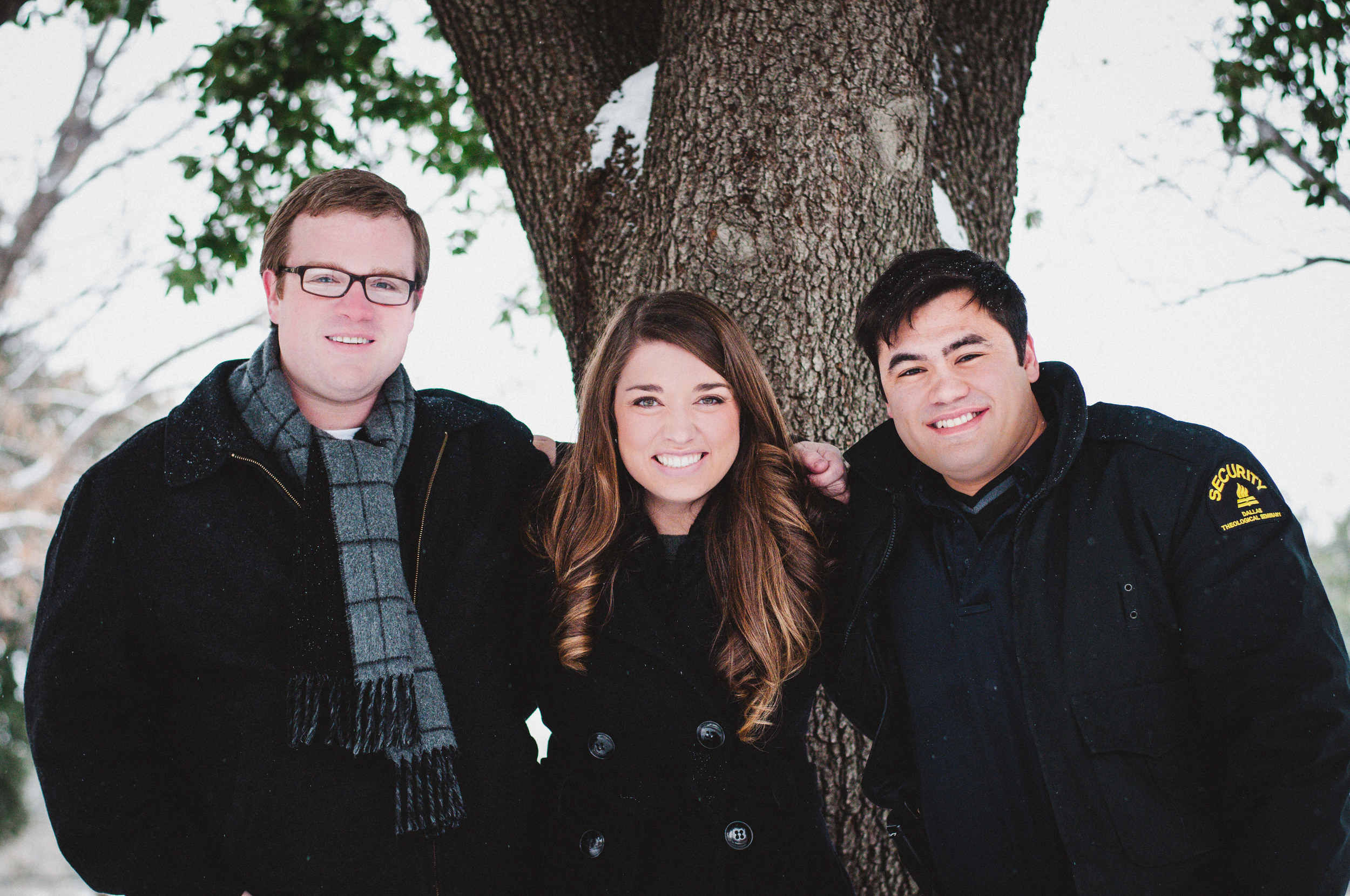
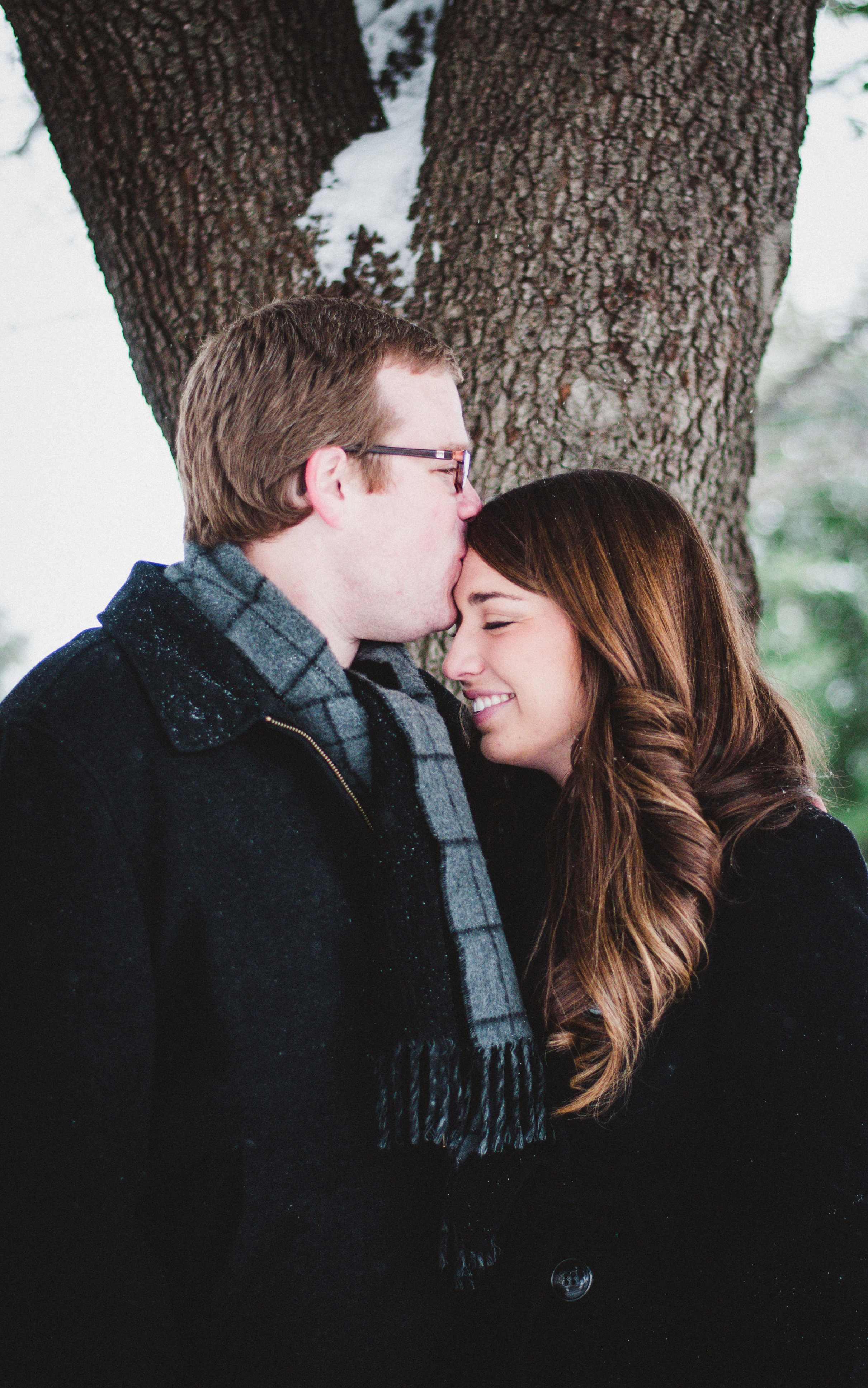
What all created this beautiful shoot? A THIRD snow day for the week, Cotey serenading Brittany with "Do You Want to Build a Snowman" and two cups of hot coffee from the coffeeshop where they first met. So excited for this couple and their beautiful engagement! We decided to go for a spontaneous shoot in the snow to counteract their beautiful summertime wedding. Had a blast goofing off, brushing snow off our bags, and watching the kids play in the snow behind us. 

"Coming Together" by National Geographic Photographer, Joanna B Pinneo

The genesis of the Southwestern Photojournalism Conference grew out of a desire for photographers working in the Southern Baptist agencies around the country to get together, share our work, stories and support one another. There was a small band of us back some 30 years ago and we treasured the fun and support when we got together. As our little group grew we wanted to expand the fellowship and gathering with other photographers.  From the very first the deal was that our egos were left at the door! The conference grew organically, attracting others by both the spirit and the level of professionalism.

Today as the conference keeps expanding we come together to hear about other’s adventures, spiritual challenges, growth and blessings. We learn that we are not alone in our journey. We receive encouragement, prayers, and gentle counseling.  Many of us experience an “Ah Ha” moment at some point during the conference. SWPJC is a gathering of both the experienced and the budding photographer. Each learns from the other.

 One of the most meaningful parts of my journey as a young photographer was the other photographers and editors that took the time to mentor and help me. My first “real” job as a photographer was with the International Mission Board. Staff photographer Don Rutledge and Commission Magazine editor, Dan Beatty, spent many hours looking at my work and offering guidance. If I can approach the level of time and commitment to other photographers on a similar journey I will feel like I have made a contribution. I owe much to these gentle men.

 Some of my favorite time at the SWPJC is when we are just sitting around talking with each other – both the joking and laughter as well as discussing the struggles we have had and sharing our hopes and dreams. I love huddling over a cup of coffee and finding out what’s been going on with my long time friends. One-on-one with students and young photographers has it’s own reward. The combinations of interactions and connections made are restorative to the spirit.

SWPJC continues to offer an environment of caring and learning; a coming together of photographers who want to make a difference with their work and strive to serve. 

To get involved with the Southwestern Photojournalism Conference, click here. 

To view more of Joanna's work, visit her website here.

Joanna B. Pinneo's work is a respectful portrayal of humanity and dignity of people around the world.  In 34 years Joanna has worked in 66 countries, her photographs appearing in Time, LIFE, National Geographic,Smithsonian, New York Times, Geo, and Stern. Joanna was nominated for a Pulitzer, won an Alfred Eisenstadt award, and featured in National Geographic’s 50 greatest photographs. Joanna is part Ripple Effect Images, a group of photographers who document the programs that are empowering women and girls, photographing their daily life as they battle to save the family and their community.  Joanna is author of the forthcoming book, Guardians of Memory, Stories Behind the Photographs.

unnamed.jpg

Sneak Peek from A Broken Lens Coming Spring 2015!

In my upcoming book to released this coming Spring 2015, I talk about my journeys around the world on short-term mission trips. Sadly, when I signed up for my first mission trip, I did so out of more fascination with an unknown world than a desire to tell people about my Savior.  In this book, I share what I learned from the people I met in various countries through my photographs and written words.

Here is a small clip from my first chapter, "Unexposed":

I did not go on my first mission trip to tell anyone about my Savior.

Sadly, the idea of having my own photographs of a foreign life entranced me. Little foreign children scurrying around my feet made me giddy. And having a purse made in a foreign country and not just shipped to the United States with the sticker, “Made in China” got me to sign up for my first mission trip.

One summer, a friend of mine, Hannah, came home after working in Zambia for a month. We grabbed some popcorn, jumped on her bed, and stories rambled from her mouth for hours. She told me two stories I would never forget—two stories that changed my life.

 She told me about a little Zambian girl who pulled her aside one day while on the campground. After they found a secluded place, tears began to flood the little girl’s eyes. Her silent sobs turned into raging tears. Terrified of what might happened if she told someone, she cried in my friend’s arms for hours. Eventually, the little girl shared what happened each night after her parents went to sleep. The witch in the village coaxed the little girl outside of the hut. For the next couple hours, the witch would try to force her and other children to eat human meat and sip on human blood, so demonic spirits would possess her.           

Is this what happened in all foreign countries? Were they all really this dark? My thoughts exploded like a spilt bag of ping-pong balls. I could not gather my thoughts.

Sitting on her bed, Hannah shared another story. Another day at the camp, a lady ran up during worship time. Foam dripped from her mouth and her eyes bulged, as if she was about to combust. A group of leaders ran over to see the woman. The woman collapsed on the ground, with her hands and legs violently convulsing. Her eyes rolled to the back of her head. Foam gurgled from her lips. The leaders shouted prayers over her. Minutes later, the name “Jesus” mumbled from her lips and everything ceased. Her vibrating body turned into a limp rag. Her eyes closed and her mouth relaxed. As someone squeezed her hand, she began to wake up, as if nothing had every happened.

After she slowly came to her feet, the leaders comforted her. As they sat and talked, the woman began to process this power of a Holy God. After experiencing His saving grace in that moment, she decided to become a follower of Christ.

In both of these stories, the fear of darkness led this little girl and this woman to run into the arms of God. But for me, as I heard these stories, I wanted to see these things for myself. I wanted to see the power of God in this explicit manner. Demon possessions, witches, and cannibalism shattered everything I had ever known. I had to go and see for myself if these stories were real. 

If you have any questions or would like to help promote the book, please contact me at ascar998@gmail.com 

Thank you!


Lights Camera Love Part II: From a Good Photographer to the Best

How would you respond if a photographer walked up to you and asked if she could photograph your family for an assignment in a Muslim magazine? Dorothy Greco came face to face with this situation during one of her first assignments as a young photojournalist. At the age of 23, she received her first yearlong assignment for a Christian magazine. She boarded her flight and set across the Pacific to London, England, and searched for a Muslim family to photograph.

Why would a Muslim family welcome a Christian photojournalist into their home? How would she connect with them? Why would they trust her? After a week searching around London, an imam and his family welcomed her in. Twenty-four hours later, Dorothy returned to her hotel room humbled and amazed.

How did she build that trust and connection? To become a great photographer, you need more than the Photoshop skills and the knowledge of light. You need to connect with people. The deeper relationship you build with your subjects, the better storyteller you become.

Practical Tips to Develop Photographer/Subject Relationships:

  • Manual Focus: Months or weeks before you go off on assignment, research the culture you will be diving into.  Brainstorm ways to relate, connect, and build relationships. Ask questions, listen, read, and take notes. 
  • Focus Your Lens: Before you set out on assignment, take a breath. Spend 30 seconds, a minute, or even an hour to get focused. You’ve done the research, now step out there.
  • Put Down the Camera: Charge the batteries, grab the memory cards, organize the lenses and camera bodies.  Set the camera bag down.  Put the phone away, let the emails go unanswered for a few hours and get to know the people.  Spend some time working beside them and serving them. 
  • Develop the Photos: When you return back from your day of work, silence the doubts about your work. Put the obsession with perfection away in a dark closet, lock the door, and throw away the key.  Perfectionism destroys assignments, steals joy, and can harm people. Don’t try to be the best. Give your best. 

Lights, Camera, Love Part I: A Photojournalist’s Take on What Makes a Great Artist

As a child, I would slide out the dusty photo boxes from underneath my parents’ bed and scatter the photos across the rosy carpet. I saw my mom and dad suited up in camo gear, fresh from the morning hunt, skinning bucks. I discovered my dad’s teenage years sporting bell-bottom blue jeans and an afro hairstyle. I laughed at my brother in his cooking lessons with a giant mushroom on his head. And I blushed at the sight of my butt-naked baby pictures that showed me drinking from the backyard hose. There is nothing like a good picture to tell a story. And that’s why I decided to pursue photojournalism.

It was from these photos that I learned about my family. I got to meet people, like my grandfather, whom I never knew. As I grew older, I loved meeting people and just hearing their stories: the teenage breakups, the first kiss, the volleyball championships, and art competitions. A good story is the photographer’s adrenaline rush. But unfortunately, as I soaked in these stories, I got lost in the rush and forgot the irreplaceable piece of every good story: the people.

Recently in my photography journey, however, I had to relearn one basic life principle: we must love people.  Photojournalists search long and hard for a good story, but the secret to capturing stories is not hidden in any special formula. We find the stories when we love people.

I am not talking about the love we use to describe our favorite type of cake. The love I have in mind is more than just about a favorite pair of shoes, or a dream home. This love listens when you want to snap a quick photo. Love puts down the camera, to comfort a hurting friend. Love waits until they know you care. People want to open up to and show their deepest sores. No amount of energy or time could drown it out. This love breathes hope into a broken story. In this love, a person finds rest, safety, and strength. When a person burned by the past speaks, it cools their scorched hearts. Through the ebbs and flows of conversation, this love touches the most jagged of souls, molding them into smooth stones.  

Only love can capture authentic stories. Out of this innocent love for people, I fell in love with photos as a child. The photos underneath my parents' bed were like the children's photo books that all my friends read at night. When I scattered the family photos on that rosy carpet, I traveled back in time. I smelled the trail of my grandpa’s cigarette smoke as he walked the farm. I heard my mom fire the 22 from the deer stand. I walked alongside my dad in his bell-bottom blue jeans. I slurped my brother’s soups from a spoon during his cooking classes. 

Love. That’s what makes a great artist.

To Serve a Nation: A Veteran's Take on Second

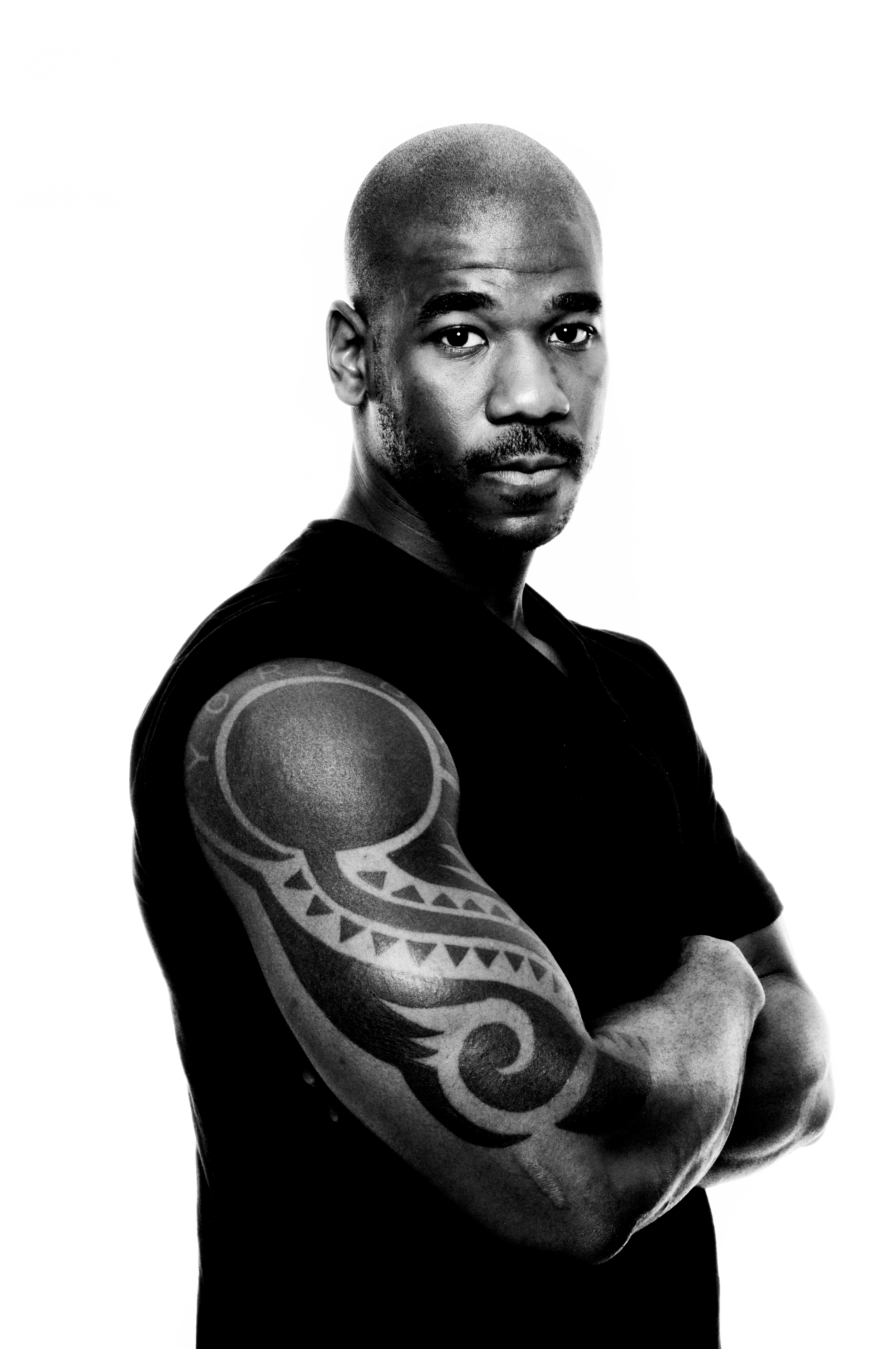
One year ago today, I had the privilege of interviewing former Navy SEAL, Remi Adeleke for the non-profit, I am Second.  In regards to both interviewing and photography, my favorite part of the job is getting to hear about a life so unlike your own.  What was unique about this interview, was that I not only got to talk with Remi about his experiences overseas, but also hear from his wife. Remi and his wife, Jessica, share an inspirational story of mental-toughness and dedication to God. To read more: http://www.iamsecond.com/2013/11/to-serve-a-nation-a-veterans-take-on-second/ 

www.iamsecond.com 

www.iamsecond.com


In the Grips of Grief: Breast Cancer Awareness

Today, about 1 in every 8 women will be diagnosed with breast cancer in their lifetime. During Breast Cancer Awareness month, I got to talk with one of our former staff member's at I am Second, Denny. If you have ever seen some of the photo stories of those who walk through Breast Cancer treatment, you have seen how it tear apart a woman's hope and dignity. It leaves me asking, is there light in the midst of such an invasive disease? What amazed me the most about Denny, is that she could answer this question with a resounding "yes." To hear more about her story: http://www.iamsecond.com/2013/10/breast-cancer-and-greif/